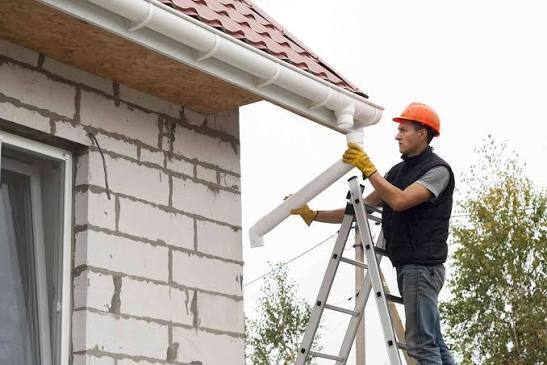
Protect your Sag Harbor home with expert gutter installation, practical maintenance advice, and reliable solutions for effective rainwater drainage.
Rainwater can cause more damage to a home than many homeowners realize. Without a dependable drainage system, runoff can collect around foundations, stain siding, damage landscaping, and contribute to basement moisture. In Sag Harbor, NY, changing weather and seasonal storms make proper roof drainage especially important. A well-designed system directs water away from vulnerable areas and helps protect your property's exterior.
Choosing reliable gutter installation involves more than selecting a style or material. Homeowners should consider roof size, slope, drainage needs, local conditions, and long-term maintenance. Moreover, poorly fitted gutters can overflow, sag, or pull away from the roofline. Professional planning helps prevent these problems and supports consistent performance.
Trueline Home Improvement helps homeowners understand the practical considerations involved in exterior improvements. From choosing suitable materials to planning downspout placement, informed decisions can make a lasting difference. This guide explains how gutters work, when repairs may be necessary, and how regular care helps protect homes throughout Sag Harbor.
Why Proper Gutter Installation Matters for Sag Harbor Homes
Protecting Your Roof, Foundation, and Landscaping
Gutters collect rainwater as it runs off the roof. Downspouts then carry that water toward suitable drainage areas. Without this system, water can fall directly beside the foundation and gradually create problems.
Sag Harbor homes experience seasonal rain and wind. Therefore, homeowners should choose a drainage system that suits their roof and property layout. Proper professional gutter installation also helps prevent water from spilling over walkways, entryways, and landscaped areas.
However, gutters cannot solve every drainage problem. Poor grading, blocked underground drains, and damaged roof edges may also contribute to water issues. A complete inspection helps identify these concerns before installation begins.
A suitable system should provide:
-
Consistent water flow: Gutters need the correct slope toward their outlets.
-
Foundation protection: Downspouts should direct water away from the home's base.
-
Roofline support: Secure hangers help prevent sagging and separation.
-
Landscape protection: Controlled runoff reduces soil erosion and mulch displacement.
-
Exterior preservation: Proper drainage helps limit staining and moisture exposure.
Consequently, good planning can reduce maintenance concerns and help protect important parts of the property.
Choosing the Right Gutter Installation System
Finding Affordable Gutter Installation Options
The right system depends on roof design, budget, appearance, and maintenance preferences. Aluminum remains a common choice because it is relatively lightweight and resists rust. Steel offers strength, while copper provides a distinctive appearance and can develop a natural patina over time.
Additionally, homeowners should consider gutter size and shape. Larger roofs or areas with concentrated runoff may require greater drainage capacity. A professional should assess roof area, pitch, valleys, and expected water flow before recommending dimensions.
Trueline Home Improvement can help homeowners review exterior improvement considerations and compare suitable options for their properties.
Before choosing a system, consider these five practical points:
-
Material: Compare durability, weight, appearance, and maintenance needs.
-
Gutter size: Match capacity to roof dimensions and drainage demands.
-
Roof design: Account for valleys, steep slopes, and complex rooflines.
-
Downspout placement: Plan outlets where water can drain safely.
-
Installation quality: Check fastening methods, joints, slope, and overall workmanship.
Moreover, request a written estimate that explains materials, labor, removal costs, and any additional work. This makes it easier to compare proposals fairly.
Repairs, Guards, and Routine Gutter Maintenance
Keeping Rainwater Moving Freely
Even a well-installed system needs regular attention. Leaves, twigs, roof grit, and other debris can restrict water flow. Consequently, blocked gutters may overflow during heavy rain and leave water near the foundation.
Timely rain gutter repair can address loose sections, leaking joints, damaged hangers, and poorly aligned downspouts. However, repairs should begin with an inspection. A small leak may indicate a loose connection, while repeated overflow may point to an undersized system or blocked outlet.
Homeowners can also consider gutter guard installation to reduce the amount of debris entering the channels. Guards do not eliminate maintenance, but suitable products can make cleaning easier. For background on how rainwater moves through drainage systems, see stormwater management.
Useful maintenance practices include:
-
Schedule inspections: Check gutters in spring and fall.
-
Clear debris: Remove leaves and buildup before they restrict drainage.
-
Check connections: Look for leaks, gaps, and loose fasteners.
-
Inspect downspouts: Confirm that outlets remain clear.
-
Review guard condition: Check for trapped debris or damaged screens.
Furthermore, arrange professional gutter cleaning services when gutters sit high, access is difficult, or damage appears likely.
Understanding Seamless Gutters and Their Benefits
Fewer Joints Along the Roofline
Traditional sectional gutters use separate pieces joined along the roof edge. Each joint creates a potential location for leaks or separation. By contrast, seamless gutters are typically formed on-site to match the required roofline length, with joints mainly at corners and outlets.
This design can reduce the number of connections that need attention. However, seamless systems still require correct measurements, secure fastening, and suitable drainage planning. They can also cost more initially than some sectional options.
Homeowners should compare the full system rather than focusing only on appearance. Material quality, installation methods, roof conditions, and maintenance access all affect long-term performance.
Consider these five details when evaluating seamless options:
-
Accurate measurements: Custom lengths should match each roof section.
-
Material selection: Aluminum and copper offer different costs and characteristics.
-
Corner connections: Inspect joints where separate runs meet.
-
Proper slope: Water should move toward downspouts without pooling.
-
Maintenance access: Choose a layout that allows practical inspections and cleaning.
Additionally, ask the installer how the system handles roof valleys and high-volume runoff. A carefully designed layout matters as much as the gutter material itself.
Signs Your Existing Gutters Need Attention
Recognizing Problems Before They Spread
Gutters often show warning signs before serious water damage develops. For example, water spilling over the edge during ordinary rainfall may indicate a blockage or drainage issue. Sagging sections can point to loose hangers, excess debris, or inadequate support.
Likewise, peeling paint, water stains, and soil erosion below the roofline may suggest poor drainage. Rain gutter repair can correct some problems, but extensive corrosion or repeated failures may make replacement more practical.
Look for these five warning signs:
-
Visible leaks: Water escaping through seams or damaged areas.
-
Sagging channels: Sections pulling away from the fascia.
-
Frequent overflow: Water spilling over despite routine cleaning.
-
Rust or cracks: Material deterioration that affects water flow.
-
Foundation moisture: Pooling water or damp areas near the home.
Meanwhile, inspect the fascia boards behind the gutters. Soft, stained, or deteriorating wood may need attention before new gutters go in. A qualified contractor can help determine whether repair, replacement, or additional drainage work makes the most sense.
Planning Long-Term Gutter Care for Your Property
Building a Practical Maintenance Routine
A dependable drainage system needs ongoing care. Seasonal inspections help homeowners catch small issues before they become expensive repairs. In Sag Harbor, falling leaves, windblown debris, and winter conditions can all affect gutter performance.
Regular gutter cleaning services can remove buildup that restricts water flow. Additionally, homeowners should check whether downspouts discharge far enough from the foundation. Water should not simply leave the gutter and collect beside the house.
Keep these five maintenance habits in mind:
-
Inspect after major storms: Look for loose sections and displaced downspouts.
-
Clean seasonal debris: Remove leaves, twigs, and accumulated roof grit.
-
Check drainage outlets: Make sure water can exit without obstruction.
-
Examine gutter guards: Confirm that screens remain secure and clear.
-
Arrange timely repairs: Address leaks and loose fittings before they worsen.
Moreover, review the system whenever you replace roofing or change the property's landscaping. These projects can affect runoff patterns and drainage requirements. Professional gutter installation should account for those conditions from the start. A suitable maintenance plan then helps preserve the system's performance over time.
Conclusion
A properly designed gutter system helps protect a home from avoidable water damage. It directs roof runoff away from foundations, siding, walkways, and landscaping. For Sag Harbor homeowners, choosing suitable materials and arranging correct installation can make a meaningful difference throughout the year.
Reliable professional gutter cleaning services in Sag Harbor, NY also help maintain drainage and identify developing problems. However, cleaning alone cannot fix damaged sections, poor slope, or inadequate capacity. Therefore, homeowners should arrange inspections when they notice leaks, sagging, or repeated overflow.
Consider your roof design, property layout, maintenance preferences, and budget before choosing a system. Ask contractors for clear estimates and details about materials, installation, and warranties. Furthermore, keep a seasonal inspection schedule and address minor issues promptly.
With thoughtful planning and regular care, your gutters can manage rainwater more effectively and support the long-term condition of your home.
FAQs
How often should gutters be cleaned in Sag Harbor, NY?
Most homes benefit from cleaning at least twice a year. Properties near trees may need more frequent attention, especially after heavy leaf fall.
What are the benefits of seamless gutters?
Seamless gutters have fewer joints along each run. This can reduce potential leak points and provide a cleaner appearance.
Do gutter guards eliminate the need for cleaning?
No. Gutter guards reduce debris buildup, but small particles and roof grit can still collect. Periodic inspections and cleaning remain necessary.
When should I repair or replace my gutters?
Repair isolated leaks or loose fittings when the system remains sound. Consider replacement when gutters show widespread corrosion, cracks, or repeated failures.
How can I tell if my gutters are draining properly?
During rainfall, check for steady flow toward downspouts. Watch for overflowing edges, standing water, leaks, and pooling near the foundation.