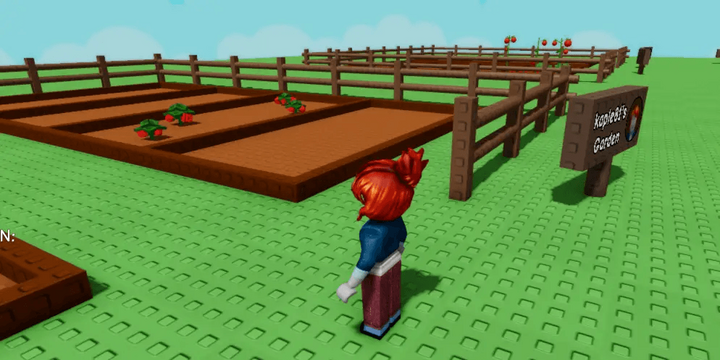
Grow a Garden 2 has recently become much busier with the arrival of the Fall Harvest World, turning ordinary farming into a seasonal adventure filled with new crops, pets, equipment, quests, and a completely separate resource system. The update went live on August 2, 2026, and players can reach the new world by speaking with Explorer Ethan in Garden Valley. Because the seasonal area has its own garden and currency, keeping a healthy supply of Grow a Garden 2 Sheckles in the main world remains important while exploring the new content.
Fall Harvest is interesting because it does not simply place a few autumn crops into the existing garden. Players enter a different farming environment with Leaves as the seasonal currency, along with exclusive plants, pets, gear, and progression. The result feels closer to starting a smaller second garden than adding another ordinary shop to the original map. That difference changes the way resources should be managed.
One of the first useful habits is to avoid spending every seasonal resource immediately. Leaves can be earned through activities in the Fall Harvest World, and the event has several attractive purchases competing for the same currency. Players who spend everything on the first available item may later discover that a more desirable pet or piece of equipment requires a much larger reserve.
The Turkey is a good example of why patience matters. The pet costs 100,000 Leaves and has a 1% appearance chance in the event pet lineup. Its passive ability can dig up Fall Harvest seeds, so the reward is not simply another name added to a collection. The ability can contribute to future seasonal farming, making the Turkey a useful long-term target for players who want to develop the event garden.
The Fall Harvest pet system also encourages a different way of thinking about equipment. A player does not necessarily need the same setup for every activity. Crop farming, pet hunting, quest completion, and multiplayer encounters can each create different priorities. Instead of building one permanent loadout and never changing it, keeping several useful options available can make the garden much more flexible.
Cornucopia is one of the biggest reasons to maintain that flexibility. The Pilgrim provides daily quests in the seasonal world, and completing them contributes toward the Cornucopia reward system. The objectives can involve different parts of Fall Harvest, meaning a player may suddenly need to change from ordinary crop production to pet-related tasks or other event activities.
This makes preparation more valuable than simply having a large amount of currency. A well-prepared player can keep several useful crops, pets, and equipment options available, allowing a new quest to become part of the existing farming routine rather than forcing a complete reset.
The pet requirements can be particularly interesting. Some objectives can require taming multiple pets, which means players who normally keep only one favorite companion may need to expand their collection. This creates a practical reason to keep lower-tier or less frequently used pets instead of immediately treating them as obsolete whenever something rarer appears.
Fall Harvest also introduces a strange nighttime twist. When night arrives, a random player in the seasonal world can become a werewolf. The werewolf gains enhanced movement speed and becomes the player able to steal from others during the night cycle. Hitting the werewolf with a shovel returns that player to human form and transfers the role to the player who made the hit.
The mechanic changes the mood of the game completely. A peaceful garden can suddenly become a chase scene, with players watching the movement of a werewolf instead of staring at crop timers. Equipment that might seem unimportant during ordinary farming can suddenly become the most useful item in the inventory.
This also creates an interesting reason to understand the map. Knowing where crops, players, NPCs, and useful areas are located becomes more important when movement speed and stealing enter the equation. Players who normally rely on passive farming can benefit from spending some time simply exploring the seasonal world before trying to optimize every crop.
Weather remains another important part of the wider farming system. Grow a Garden 2 has several weather events that can change crop growth or earnings, including rare events with extremely strong effects. Bloodmoon, for example, is associated with an 80x Sheckles multiplier, creating a potentially valuable window for players who already have suitable crops prepared.
That makes timing a major part of efficient farming. A crop that is ready to harvest does not always need to be sold immediately. If a favorable weather event appears, waiting can potentially produce a much better result. The same idea applies to pet abilities and equipment: their value can increase significantly when several bonuses overlap.
Seed management is another area where experienced players can gain an advantage. Some pets and event mechanics can provide additional seed opportunities, so selling every valuable crop without considering future planting can reduce long-term flexibility. A strong farming cycle should balance immediate income with the resources needed for the next cycle.
The current Fall Harvest content also introduces Maple-related plants and other seasonal crops, giving players new reasons to experiment with planting patterns. Rather than filling every available space with the same crop, testing different combinations can help identify which plants work best with the available resources and weather conditions.
A useful approach is to divide the garden into purposes. One area can support reliable income, another can be used for event objectives, and valuable crops can be saved for favorable weather. This makes it easier to complete quests without sacrificing the entire farming cycle. The same principle works with equipment: use the tools that match the current objective instead of treating every item as equally useful at all times.
Pet collection can follow the same philosophy. A rare companion is exciting, but practical abilities matter more when the goal is progression. A pet that generates seeds, improves farming, or supports a particular activity can continue producing value long after the excitement of obtaining it has faded.
The seasonal world also gives players an excellent reason to experiment. Because it has its own progression system, a new strategy can be tested without immediately disrupting an established main garden. Players can learn which crops are worth prioritizing, which pets fit their style, and which equipment deserves more attention before bringing those lessons back into broader gameplay.
Fall Harvest is also designed around longer-term progression rather than a single quick objective. The event gives players multiple systems to work through, so rushing toward one reward can sometimes be less efficient than steadily building resources. A relaxed farming session can contribute toward several goals at once: earning Leaves, growing crops, completing quests, finding pets, and preparing for the next weather event.
That layered progression is what makes the current version of Grow a Garden 2 more interesting. A farming game can easily become repetitive when every session follows exactly the same pattern. Fall Harvest interrupts that routine with exploration, seasonal currency, unpredictable nighttime encounters, and new collection goals.
U4GM can be a convenient option when additional resources or equipment are needed, with safe transactions and affordable choices helping reduce preparation time while keeping the main focus on gameplay. The more interesting part remains experimenting with crops, managing seasonal resources, completing Cornucopia objectives, and adapting equipment to different situations, while Roblox Grow a Garden 2 Items can naturally complement that broader progression.