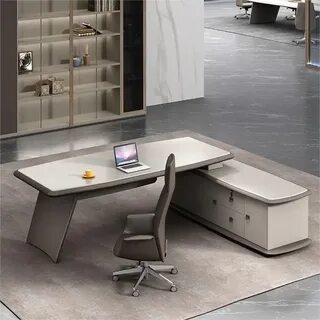
A well-thought-out Office table design can dramatically enhance productivity, comfort, and aesthetics in any workspace. The right office table does more than just provide a surface to work on; it influences workflow, boosts creativity, and contributes to overall employee satisfaction. In today’s fast-paced professional environment, choosing an office table that complements both functionality and style has become essential. From ergonomic considerations to storage solutions, every detail matters when selecting the perfect table for your office space.
Understanding the Essentials of Modern Office Table Designs
Before investing in a new office table, it’s crucial to understand what makes a design truly effective. A modern office table should prioritize ergonomics, offer sufficient storage, and support a clean, organized workspace. Features like adjustable heights, cable management systems, and modular designs are becoming increasingly popular as businesses focus on creating adaptable environments. Moreover, the material and finish of the table play a significant role in both durability and visual appeal. Wood, metal, glass, and composite materials each offer unique benefits, making it essential to consider both aesthetic preferences and practical needs when making a selection.
Choosing the Right Size and Layout for Your Office Table
The size of your office table directly impacts workflow efficiency and comfort. Small tables may be suitable for home offices or individual workstations, but larger tables are ideal for collaborative environments. The layout should accommodate not only the equipment you use daily—like computers, printers, and stationery—but also allow for enough movement and personal space. L-shaped tables, corner tables, and modular configurations are excellent options for maximizing space without compromising accessibility. Additionally, considering the layout in relation to natural light sources, power outlets, and office traffic flow ensures that the table complements the overall workspace rather than becoming an obstacle.
Material Matters: Selecting the Ideal Surface for Your Office Table
The material of an office table is more than just a matter of appearance—it directly affects durability, maintenance, and comfort. Wooden tables offer a classic and warm look, often ideal for traditional office settings. Metal tables provide a sleek, industrial vibe and are highly durable, perfect for high-traffic areas. Glass tops bring elegance and a modern feel but require more maintenance to keep clean. Composite materials or engineered wood offer a balance between affordability and style. Additionally, considering surface treatments like scratch resistance, waterproofing, and stain protection ensures that your table remains functional and visually appealing for years.
Ergonomics and Comfort in Office Table Design
A crucial aspect of any office table design is ergonomics. Poorly designed tables can lead to discomfort, fatigue, and even long-term health issues. Adjustable-height tables allow employees to switch between sitting and standing positions, promoting better posture and reducing strain on the back and neck. Edge design, legroom, and tabletop depth also play a role in comfort. For example, rounded edges prevent pressure points on wrists, while adequate leg space ensures freedom of movement. Integrating ergonomics into office table design demonstrates a commitment to employee well-being and can even boost productivity by reducing physical strain during long work hours.
Storage Solutions and Organization for Your Office Table
A well-organized workspace is key to maintaining efficiency, and the right office table can make all the difference. Modern designs often incorporate built-in storage such as drawers, shelves, and hidden compartments. These features allow for easy access to essential items while keeping clutter out of sight. Cable management systems are also vital for maintaining a tidy appearance, especially in tech-heavy offices. By choosing a table with thoughtful storage solutions, you can create a workspace that not only looks professional but also supports streamlined operations and quick access to necessary tools.
Aesthetic Appeal: Matching Your Office Table to Office Décor
While functionality is paramount, aesthetics cannot be overlooked. The right office table design enhances the overall ambiance of the workspace, reflecting the brand’s identity and style. Contemporary designs with clean lines and neutral tones can complement minimalist offices, while tables with rich wood finishes or metal accents can convey sophistication and professionalism. Color, texture, and finish should harmonize with surrounding furniture and décor, creating a cohesive environment that inspires creativity and maintains a professional look.
Sustainability Considerations in Modern Office Table Designs
In today’s eco-conscious world, sustainable office furniture is no longer optional—it’s a priority. Choosing an office table made from renewable materials, recycled components, or sustainably sourced wood not only reduces environmental impact but also communicates a commitment to corporate social responsibility. Additionally, durable tables designed to withstand heavy use reduce the need for frequent replacements, further minimizing waste. By incorporating sustainability into the selection process, businesses can create workspaces that are both functional and environmentally responsible.
Trends Shaping the Future of Office Table Design
Modern office table designs are evolving to meet the changing needs of work environments. Multi-functional tables that serve as both workstations and meeting surfaces are increasingly popular. Collaborative designs encourage teamwork and communication, while tech-integrated tables with built-in charging ports, wireless charging pads, and adjustable screens cater to the growing demand for smart office solutions. Flexible and modular designs are also on the rise, allowing offices to adapt quickly to shifting team sizes and layouts. Keeping an eye on these trends ensures that your office remains contemporary and efficient.
Investing in Quality: Long-Term Benefits of the Right Office Table
Investing in a high-quality office table is more than a financial decision—it’s an investment in productivity, employee satisfaction, and workplace aesthetics. Durable, thoughtfully designed tables reduce maintenance costs, prevent frequent replacements, and provide a stable and comfortable workspace. Moreover, a visually appealing table enhances the office environment, boosting morale and creating a professional impression for clients and visitors. Considering factors like ergonomics, material, size, and storage ensures that your investment pays off in terms of both functionality and style.
Conclusion: Redefine Your Workspace with Modern Office Table Designs
Choosing the ideal office table is a strategic decision that impacts productivity, comfort, and style. By carefully considering design, materials, ergonomics, storage, and aesthetics, businesses can create workspaces that inspire creativity and efficiency. The right table transforms a simple room into a professional, organized, and welcoming environment. For offices looking to combine modern elegance with practical functionality, Modern office table designs offers a variety of options that meet these needs, helping businesses create spaces where both employees and ideas can thrive.